Research – “Mapping the Regions, Organizations and Individuals that Drive Inclusion in the Innovation Economy” with Mercedes Delgado.

This is from a session at the 2021 Increasing Diversity in Innovation conference that took place on July 26-29, 2021. The conference was hosted by UC Berkeley Fung Institute and USIPA.

Slides:

How can companies easily get their baseline data? Panel with:

Erik Oliver
Partner, Richardson Oliver Law Group

David Andrews
Chief Data and Analytics Officer, IP Solutions, Aon

Samantha Hsu
Senior Counsel, IP, Uber Technologies, Inc.

This is from a session at the 2021 Increasing Diversity in Innovation conference that took place on July 26-29, 2021. The conference was hosted by UC Berkeley Fung Institute and USIPA.

Slides:

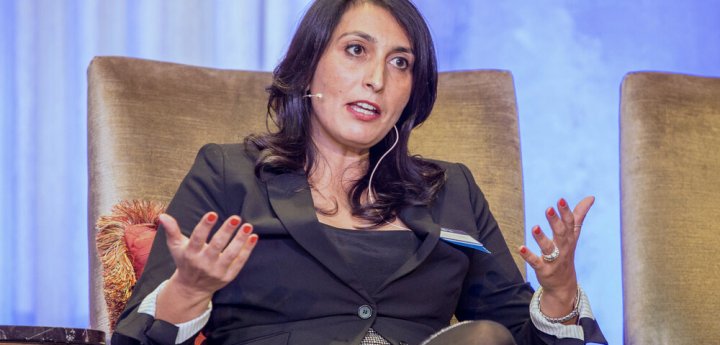
Behavioral insights from employee feedback can help organizations identify and drive new, data-informed priorities.

Pervading nearly every facet of our personal and professional lives, the impact of COVID-19 is made worse by the fact that there is no playbook for companies and their leaders to follow, including leaders who have successfully navigated quick and crashing waters in the past. Seemingly overnight, employers had to direct their workforces to work remotely as governments imposed widespread lockdowns. […]

Read the full article here.

Authors: Paola Cecchi-Dimeglio

Originally published by MIT Sloan Management Review

Photo credit: https://www.paolacecchidimeglio.com

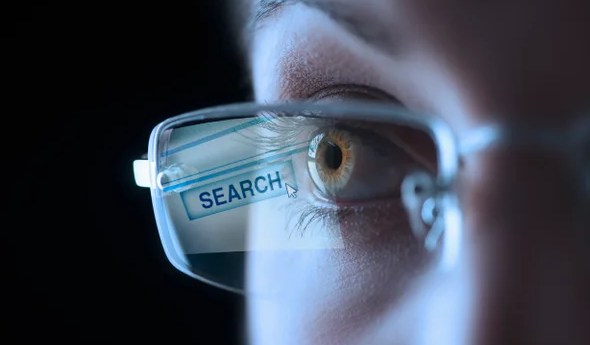
Marketing algorithms prevent many women from seeing the advertising, even though it’s illegal to target jobs to one gender.

Women see fewer advertisements about entering into science and technology professions than men do. But it’s not because companies are preferentially targeting men—rather it appears to result from the economics of ad sales. […]

Read the full article here.

Authors: Dina Fine Maron

Originally published on Scientific American.

Photo credit: Getty Images as posted on the Scientific American website.

An examination of the prosecution and maintenance histories of approximately 2.7 million US patent applications indicates that women have less favorable outcomes than men.

Full article available here.

Authors: Jyle Jensen, Balazs Kovacs and Olav Sorenson

Published by Nature Biotechnology

Full citation: Jensen, K., Kovács, B. & Sorenson, O. Gender differences in obtaining and maintaining patent rights. Nat Biotechnol 36, 307–309 (2018). https://doi.org/10.1038/nbt.4120

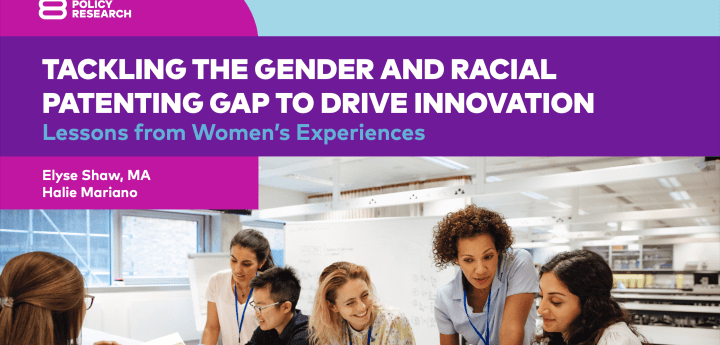
This report compiles existing data on women and patenting. It explores both women’s underrepresentation among patent holders and their relative success in being granted patents when they apply for them. The report identifies the technology classes that women are most likely to patent in, and examines the overall success of patents granted to women as measured by their assignment rates and citation counts. The report draws on the social science literature to identify major obstacles that women face to patenting and, based on the research findings, presents several recommendations to help to close the gender patenting gap. This report was funded by Qualcomm, Inc.

Authors: IWPR (Elyse Shaw, MA, and Halie Mariano)

Published by IWPR.